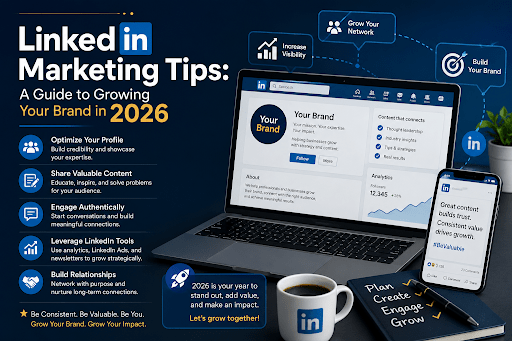
I always used to think that LinkedIn was essentially a CV on the Internet where you would put your work experience and leave it. I was wrong. A profile that is just a PDF attached will not only be considered old but non-existent. All of the information you ever knew about LinkedIn in 2019 has become obsolete. These LinkedIn marketing tips reflect how it actually works right now.
Why LinkedIn Deserves a Bigger Slice of Your Marketing Budget
Most marketers reach for Instagram or TikTok on autopilot. Not because they ran the numbers because everyone else is there. If you’re selling to consumers, sure, that’s probably fine. Selling to other businesses? Different story entirely. LinkedIn is full of working professionals with money to spend. It’s now more of a place to share content than just a job board, and more brands are treating it that way. These LinkedIn marketing tips work because they line up with how people actually act on this app.
A few reasons LinkedIn is worth your time:
- Personal posts still get seen more than posts on most other platforms, even more than company pages.
- Buyers will already have checked you out on LinkedIn before they ever fill out a contact form.
- The app rewards posts that help people over ones that just look fancy.
Do you sell to other businesses? Do you freelance for a client base of professionals? If so, LinkedIn should be near the top of your list. Don’t put it off till later.
Building a Profile That Actually Converts
Treat Your Headline Like Ad Copy
People typically just list their job title in the headline. That’s an underused spot. Your headline is displayed in search, comments, and connection requestsIt should not merely state your responsibilities. Rather, it should state your purpose.
“Marketing Manager at Acme Co.”Should become “Helping SaaS companies reduce their customer expenses through content marketing.”” It’s longer, sure. But it’s a true statement that actually says something.
Rewrite Your About Section for Humans, Not Robots
People decide fast whether to keep reading your About the section, just a few seconds, really. So avoid formal, stiff writing. Write it like you’re sitting at a table with a friend. Begin with a problem you solve. Include a result or two. Close with a clear next step, like a link or an invite to connect.
Use a Real Photo and a Custom Banner
This is a simple tip, but it works. A clear photo and a custom banner get more views. A blank banner tells people nobody’s running the account.
Content Strategy: What to Post and How Often
Post Consistently, Not Constantly
You don’t need to post daily. Try it and you’ll burn out inside a month, guaranteed. TThree to four posts per week for six months is better than burning out for two weeks and then going away. Choose a speed that won’t make you hate yourself come March.
Lead with a strong first line
LinkedIn automatically truncates your post after one or two lines, which means the opening line will do all the work.”Excited to share…” is the tell that there’s nothing underneath skip it. A claim, a question, a number, whatever makes someone actually want to click “see more.”
Don’t just repeat the same format
Text, carousels, video, polls, different crowds show up for each. Carousels that break something down step by step tend to perform well, probably because they’re quick to skim on a phone. Video posted directly to LinkedIn usually beats a YouTube link, though I couldn’t tell you exactly why. Just what I’ve noticed.
Write Like You Talk
This is one of those things everyone forgets, and it genuinely bugs me: Drop the corporate voice. Posts that look like a press release get scrolled past fast. Posts that sound like a real person, sharing a real lesson or opinion, get commented on. Comments are what the app actually cares about most.
Engagement Tactics That Move the Needle
Comment Before You Post
Comment on other posts for at least ten to fifteen minutes before posting something yourself. This is not only to show courtesy; rather, this will make sure that your name gets known by those who do not know you, and this may actually attract more views than the post itself.
Reply to Every Comment You Get
If someone comments, reply in a timely manner, within a few hours. Real, quick replies keep the post alive in the feed. It also tells LinkedIn that people are genuinely engaging, not just scrolling past.
LinkedIn Advertising: When It’s Worth the Spend
Organic only gets you so far, especially targeting something narrow like IT buyers or hospital staff. Yes, LinkedIn ads cost more than Meta or Google. But you’re paying for targeting when nobody else offers job title, company size, industry, seniority level.
Start With Retargeting
Set up ads for people who’ve already visited your site or checked out your company page before you spend anything on total strangers. These people tend to buy more often. They also show you what’s working and what isn’t, so you don’t waste more money.
Test Sponsored Content With Real Employee Voices
A plain brand ad won’t outperform a real face, like a founder or an expert. It makes sense. Logos don’t matter; people do.
Keep Creative and Fresh
LinkedIn ads get stale fast. For a longer campaign, swap your image or text every two to three weeks. Track how often the same person keeps seeing your ad.
Using LinkedIn for Lead Generation
Build a Simple Content Funnel
Post content that proves your knowledge on the subject matter. Then move readers towards a larger offering such as a guide, a webinar, or a case study. Do not promote in every post, as this is easily recognizable, and save the direct push for once in eight to ten posts.
Use Sales Navigator for Targeted Outreach
If your team is connecting with people individually, use Sales Navigator to narrow down the recipient, depending on the role or industry, or anything that will indicate that this person is active currently.
Turn Employees Into Advocates
Employee posts are usually far better than posts from the company page. It’s not even close. A brand account isn’t as trusted as a real person. Have your team share news in their own words, not just repost the company’s.
Measuring What Actually Matters
Follower counts feel good to see. They won’t tell you much, though. Track these instead:
- Engagement rate (likes relative to followers), not raw likes
- Click-through rate on posts that link outside LinkedIn
- Profile views from the people you actually want to reach
- Inbound messages or connection requests tied to a post you made
Final Thoughts
The main feature of effective LinkedIn marketing is making sure that your marketing efforts will be invisible. The most successful accounts post their honest thoughts, lessons, and experience.
Build a profile that says something real. Post often, in your own voice. Treat comments and replies as seriously as you treat your posts. Stick with these LinkedIn marketing tips for a few months. The results will show up, quietly and without much fuss.
Frequently Asked Questions
Q: Why should I use LinkedIn for my business?
A: Your buyers are probably already there, whether you’re posting or not. If you sell B2B, people look at your LinkedIn before they ever email you back. No profile, no recent posts that’s usually enough to make someone quietly move on.
Q: What should I post about?
A: Real stuff. A lesson you learned, an opinion, something that happened at work. Drop the formal tone. Posts that sound like a press release get scrolled right past. Posts that sound like a real person get comments.
Q: Where should I start with ads?
A: Target people who already visited your site first. They buy more often, and they show you what’s working before you spend anything on total strangers.


